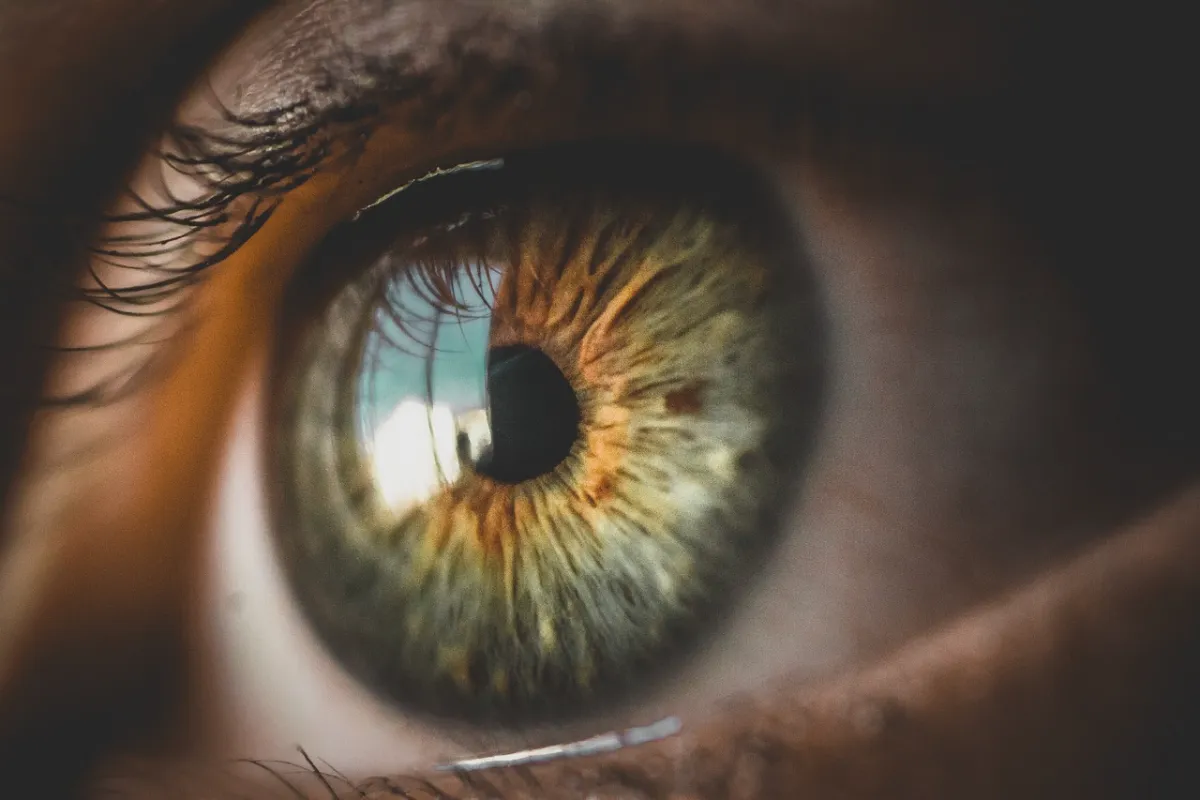
Pupil Size in Low Light
Measured to help judge your risk of glare and halos at night.
Morpeth · Northumberland
Once you leave the town centre, the roads around Morpeth quickly become dark and unlit. If you drive home through the countryside after work, you have probably noticed how much harder it is to see clearly at night in glasses, with reflections, rain on the lenses and oncoming headlights all making things worse.
Laser Eye Surgery Newcastle offers LASIK, LASEK and PRK for suitable adults in Morpeth and across Northumberland. A free quote leads to a full eye assessment and a written quotation, and appointment locations and aftercare are confirmed before you book.
Night driving
It can, at least for a while. Glare, halos and starbursts around lights are common in the first weeks and months after treatment. For most people they become much less noticeable as the eyes heal.
At night your pupils widen. If they open beyond the area treated by the laser, light can scatter at the edge, causing rings or haze around bright lights.
People with large pupils, higher prescriptions or existing dry eye may notice these effects more. Your assessment measures your pupils in low light to help predict this.
Without glasses, there are no lens reflections, no smears and no rain spots on the lenses, which some people find makes country driving easier once they have healed.

Driving
You must not drive. Arrange for someone to take you home.
Your clinician will tell you whether your vision meets the legal standard for driving. Many LASIK patients are cleared within a few days.
Avoid unfamiliar dark roads around Morpeth if you can. Give yourself extra time and keep your windscreen clean, as smears increase glare.
Glare usually fades gradually. If it does not, raise it at your follow-up appointment.
Your options
Every procedure carries some risk of night-time side effects. The best choice depends on your corneas and prescription.
LASIK creates a thin corneal flap. It usually gives the fastest return to driving, which matters if you rely on your car to get around.
Suitability
Measured to help judge your risk of glare and halos at night.
Decides which treatments are safe for your eyes.
You should be 18 or over, with no significant change in your prescription for at least a year.
Dry eyes can make night vision problems worse, so they are checked carefully.
Travel
Morpeth station is on the East Coast Main Line, with trains reaching Newcastle in under half an hour, and the A1 provides a direct road route south. On the day of treatment, and after any assessment that involves dilating drops, someone else will need to drive. Each appointment location is confirmed before you book, so you can plan the trip in advance.
Pricing
Prices depend on the treatment recommended, your prescription and whether you have one or both eyes treated. You receive a written quotation after your assessment.
The NHS does not normally pay for laser eye surgery to reduce reliance on glasses.
Ask whether aftercare and drops are included, and what happens if you need an enhancement later.
Night vision
Laser treatment is not the only factor in how well you see at night. These are worth ruling out, whatever you decide.
Even a small change in your prescription can make headlights and road signs harder to read in the dark. Regular sight tests matter.
Clouding of the natural lens causes glare and haze around lights, particularly as we get older. Laser surgery on the cornea does not treat it.
An uneven tear film scatters light. Long drives with the heater on can make it worse.
Smears on the inside of the glass dramatically increase glare. Clean it regularly, especially in winter.
Areas we cover
We hear from people in Stobhill, Kirkhill, Loansdean and the town centre, and from villages including Pegswood, Hepscott, Longhirst and Mitford. Nearby, see our pages for Cramlington and Ponteland, or browse all areas served.
Nearby areas we cover
FAQs
Some people do, once healing is complete. Others notice some glare for longer. Your assessment helps you understand your own risk.
In a small number of people, some glare persists. This is discussed openly at your assessment so you can make an informed decision.
Tell your clinician. Cataracts and other conditions can also affect night vision, so a full eye examination is important.
Once you are cleared to drive, you may still notice glare at night for a while. Take it steadily on dark roads until your eyes have settled.
Once you have been cleared to drive, yes, but take extra care on the lanes around Morpeth. Low winter sun, wet roads and oncoming headlights can all increase glare while your eyes settle. Keep a pair of sunglasses in the car and leave a little more time for each trip.
Next step
Request a free, no-obligation quote. We will discuss your options, including night vision, and arrange your assessment.